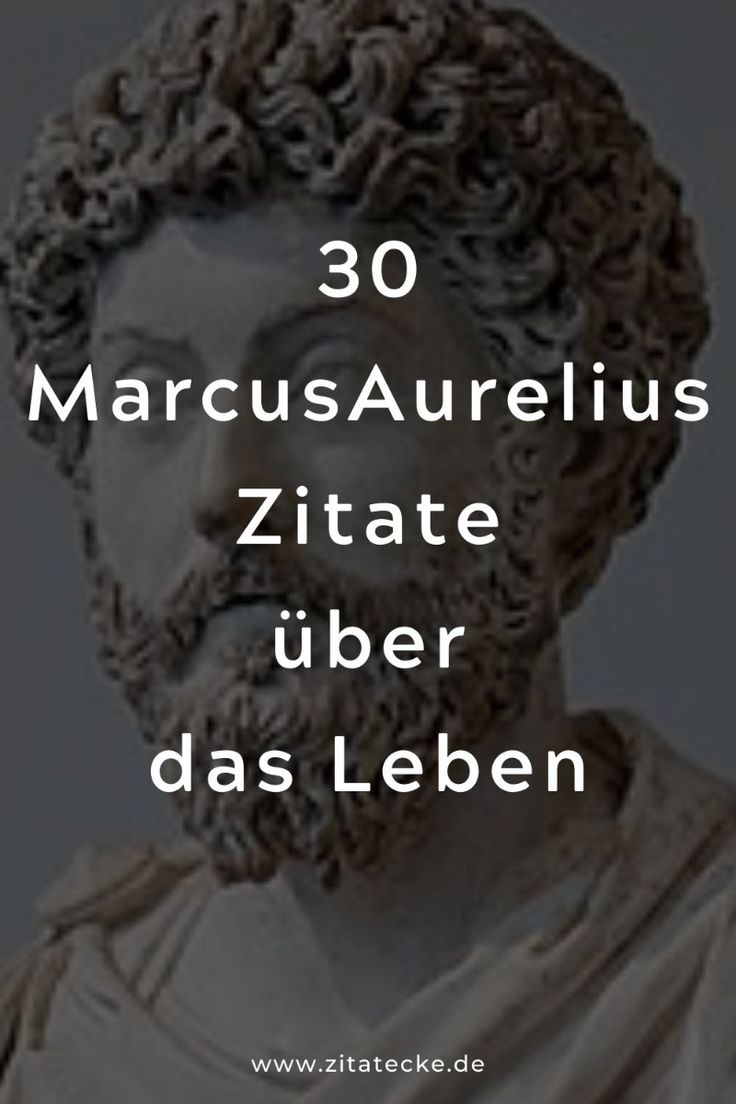
Live Intentionally: Marcus Aurelius on Purpose and Resilience
In the vast tapestry of ancient philosophy, few figures resonate with such enduring power as Marcus Aurelius. The Roman Emperor (121-180 AD) who penned the timeless reflections known as Meditations, he was not just a ruler of an empire but a dedicated student of Stoicism. His writings, originally private notes to himself, offer a profound roadmap for navigating life's complexities with purpose, virtue, and unwavering resilience. In a world often characterized by distraction and fleeting pursuits, the wisdom encapsulated in Marc Aurel Zitate (Marcus Aurelius quotes) provides an invaluable guide to living a more intentional and fulfilling existence.
Aurelius faced immense personal and political challenges – plagues, wars, betrayals – yet he consistently turned inward, seeking strength and clarity. His philosophy isn't about rigid rules but about cultivating an internal disposition that allows one to thrive amidst chaos. By focusing on what's within our control and understanding the transient nature of life, we can unlock a deeper sense of purpose and develop an unshakeable inner resolve. This article explores how Marcus Aurelius's insights can empower us to live with greater intention and cultivate resilience in our daily lives.
The Inner Citadel: Finding Peace Amidst Life's Turmoil
One of the most foundational principles of Marcus Aurelius's philosophy is the concept of the "inner citadel" – an inviolable sanctuary within ourselves where true peace resides. He famously wrote, "There is for a man no more tranquil or undisturbed retreat than his own soul." In a world constantly vying for our attention, this notion of an internal refuge is more relevant than ever. Aurelius teaches us that external circumstances, opinions, and even people, have no inherent power to disturb us unless we grant them that power.
This doesn't mean ignoring the world; it means understanding where our true power lies. Many profound Marc Aurel Zitate emphasize the importance of distinguishing between what is within our control (our thoughts, judgments, actions) and what is outside our control (everything else). The "outer world" can rage, but our reaction to it is always our choice.
- Cultivating Inner Calm: How do we build this inner citadel? Aurelius suggests rigorous self-examination and a constant questioning of our perceptions. When faced with an upsetting event, ask yourself: Is this truly bad, or is my judgment making it so? Often, our distress comes not from the event itself, but from our interpretation of it.
- Mindful Self-Reflection: Regular introspection, much like Aurelius's own Meditations, can help us identify destructive thought patterns and replace them with more rational, Stoic perspectives. This practice builds mental fortitude, making us less susceptible to external pressures.
By consciously withdrawing to our inner world, we can find a quiet space to evaluate, reframe, and respond thoughtfully rather than react impulsively. For more on this, you might explore Stoic Secrets: Marcus Aurelius' Guide to Inner Peace.
Embracing Mortality: Living with Urgency and Virtue
Marcus Aurelius held a stark, yet liberating, view of mortality. Far from being morbid, his frequent contemplation of death served as a powerful motivator for intentional living. He urged, "Live not as though you had a thousand years to live. Death is at hand. While you live, while it is in your power, be good!" This poignant reminder underscores the finite nature of our time and the importance of using it wisely.
The awareness of impermanence encourages us to:
- Prioritize What Truly Matters: If life is brief, why spend it on trivialities, grudges, or the pursuit of fleeting pleasures? Aurelius prompts us to ask, "Ask yourself at every moment, 'Is this necessary?'" This simple question can be a powerful filter, helping us to shed unnecessary activities and focus on actions aligned with our values.
- Act Virtuously Now: Waiting for the "perfect moment" to be kind, courageous, or just is a luxury we don't possess. The Stoics believed in four cardinal virtues: wisdom, justice, courage, and temperance. Aurelius's message is clear: embody these virtues in every action, every thought, right now. The present moment is the only one guaranteed.
- Release the Need for External Validation: "Soon you will have forgotten all, and soon all will have forgotten you." This sobering thought, another of the significant Marc Aurel Zitate, liberates us from the tyranny of others' opinions. If our actions are forgotten, why allow external praise or blame to dictate our choices? Focus on doing what is right, regardless of how it is perceived.
Embracing our mortality isn't about fear; it's about gratitude for the time we have and a fierce commitment to living a life of purpose and integrity. It reminds us that an unlived life, shackled by fear or indecision, is a far greater tragedy than death itself.
Turning Obstacles into Opportunities: The Art of Stoic Resilience
Life, as Marcus Aurelius knew intimately, is full of adversity. Wars, plagues, personal losses – he faced them all. Yet, his philosophy provides a powerful framework for not just enduring hardship, but for actually growing stronger because of it. This is the essence of Stoic resilience. He articulated this beautifully, stating, "The mind turns and converts every impediment to its activity into an aid; what is a hindrance to action becomes an aid to action."
This perspective shift is revolutionary:
- The Obstacle is the Way: Every challenge, setback, or moment of discomfort is not merely something to be overcome but an opportunity for growth. It forces us to adapt, innovate, and test our virtues. A difficult person becomes an exercise in patience; a professional setback, an opportunity to learn and pivot.
- Control Your Perceptions: We cannot always control events, but we can always control how we perceive and respond to them. Aurelius taught that our emotions often stem from our judgments. By consciously choosing a rational, objective perspective, we disarm the emotional sting of adversity. For instance, being treated poorly by someone might evoke anger, but Aurelius might suggest, "If someone slights you, that is their affair. My affair is to do nothing or say nothing that merits contempt." This reframing shifts the focus from their wrongdoing to your integrity.
- Practical Application: When faced with a problem, don't dwell on what went wrong. Instead, ask yourself: What can I learn from this? How can I use this situation to become stronger, wiser, or more virtuous? This active, problem-solving mindset is key to Stoic resilience.
This profound wisdom, captured in many Marc Aurel Zitate, transforms suffering into a forge for character. It's about developing an unshakeable spirit, much like a seasoned fighter, as he compares life to fencing rather than dancing: "The art of living is more like wrestling than dancing, in that it stands ready for sudden and unforeseen encounters." We must be ready to stand firm.
Practical Wisdom for Daily Living: Actionable Insights from Marcus Aurelius
Beyond grand philosophical concepts, Marcus Aurelius offers practical, actionable advice for navigating the everyday. His wisdom isn't just for emperors; it's for anyone striving for a more mindful and virtuous life. Here are some key takeaways:
Prioritize Inner Work
Aurelius insists that the true source of goodness lies within. He advises, "Work at your inner self. There is the source of good, an inexhaustible spring, if you only always dig." This emphasizes continuous self-improvement, not for external gain, but for the development of character. It means consistently examining your motives, thoughts, and actions, and striving to align them with reason and virtue. This inner work is the foundation for all outward success and peace.
Embrace Self-Reliance and Integrity
Don't let the opinions of others define you. Aurelius often marveled at how people value others' opinions more than their own judgment. He teaches us that true freedom comes from being independent of external praise or criticism. "Never esteem anything as of advantage to you that will make you break your word, lose your self-respect, hate, suspect, or curse anyone, dissemble, or desire anything that needs walls or curtains to cover it." This is a powerful call to integrity, urging us to act in alignment with our highest values, even when no one is watching.
Confront Procrastination and Indolence
For those struggling to begin their day with purpose, Aurelius offers a stern yet motivating thought: "When you are reluctant to get up in the morning, remember that you are awakening to human action. Why should I complain if I am going to do what I was born for?" This connects our daily tasks to our higher purpose as human beings, urging us to overcome sloth and engage actively with life.
The Power of Simplicity
Many of the profound Marcus Aurelius: 33 Timeless Stoic Wisdoms for Life, including those in the original German as Marc Aurel Zitate, highlight the virtue of simplicity. He notes, "Most of what we say and do is not necessary, and if you omit it, you will have more leisure and less disturbance." This isn't about asceticism, but about removing the superfluous to make space for what genuinely matters. It encourages us to scrutinize our commitments, possessions, and even our thoughts, shedding anything that doesn't serve a meaningful purpose.
The timeless wisdom of Marcus Aurelius, born from the crucible of leadership and personal reflection, offers a beacon for anyone seeking to live a life of meaning and fortitude. His teachings aren't merely historical relics; they are practical tools for cultivating an intentional life, mastering our inner world, embracing the fleeting nature of existence, and transforming every obstacle into an opportunity for growth. By internalizing these profound insights and applying them to our daily lives, we can build our own inner citadel, act with virtue and urgency, and ultimately, find peace amidst the inevitable storms of life.