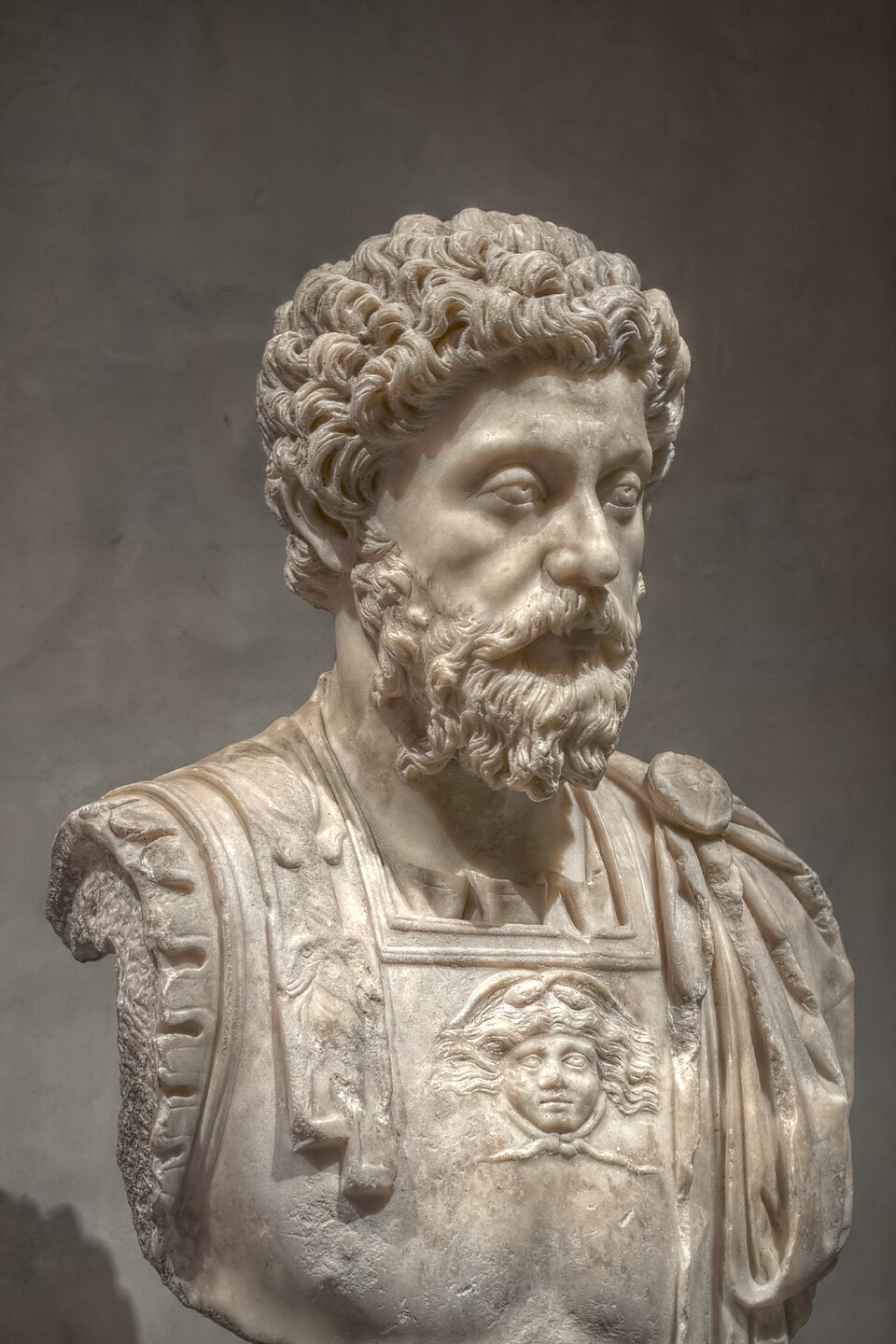
Stoic Secrets: Marcus Aurelius' Guide to Inner Peace
In a world brimming with constant demands, digital distractions, and perpetual uncertainty, the ancient philosophy of Stoicism offers a timeless beacon of tranquility. At its heart lies the wisdom of Marcus Aurelius, the Roman Emperor whose *Meditations* remain a profound source of guidance for cultivating inner peace. Far from being a dry academic pursuit, his teachings are a practical handbook for navigating life’s complexities with resilience, virtue, and serenity. Delving into the powerful Marcus Aurelius: 33 Timeless Stoic Wisdoms for Life, we uncover principles that are just as relevant today as they were nearly two millennia ago. Marcus Aurelius (121 to 180 CE) was an emperor burdened by war, plague, and personal tragedy, yet his private writings reveal a man deeply committed to self-mastery and philosophical inquiry. His "Marc Aurel Zitate" (Marcus Aurelius quotes) are not just historical artifacts; they are potent reminders of humanity's enduring quest for happiness and calm amidst chaos. This article explores how his wisdom can serve as your personal guide to inner peace.Embracing the Present and Letting Go of the Uncontrollable
One of the cornerstones of Stoic philosophy, and a recurring theme in Marcus Aurelius’s reflections, is the distinction between what we can control and what we cannot. Much of our anxiety stems from worrying about external events, the actions of others, or the past and future – all things outside our immediate influence. Marcus Aurelius urged us to turn our focus inward:"Think not of what you lack, but of what you have now."
This simple yet profound directive encourages gratitude and presence. Instead of dwelling on imagined deficiencies or future desires, it redirects our attention to the abundance in our current reality. This shift in perspective is not about complacency but about anchoring oneself in the tangible blessings of the moment. The Emperor also recognized the futility of external anger: "To be angry with the external world would be foolish; it cares not." This isn't an endorsement of passivity, but a call to preserve our inner tranquility. The world will continue to turn, indifferent to our emotional storms. Our power lies not in changing the world, but in changing our reaction to it. Recognizing this helps us conserve vital energy for productive action rather than wasteful emotional expenditure. Furthermore, Marcus Aurelius provides a stark reminder of life's brevity, urging us to live each day with intentionality:"Don't live as if you had ten thousand years to live. Death hangs over you! While you live, while it is in your power, be good!"
This powerful call to action, known as *memento mori*, isn't meant to inspire dread, but rather to instill a sense of urgency. It encourages us to cultivate virtue, act kindly, and pursue what truly matters, knowing that our time is finite. By constantly reminding ourselves of our mortality, we are more likely to Live Intentionally: Marcus Aurelius on Purpose and Resilience, making each day count.Cultivating Your Inner Sanctuary
Marcus Aurelius believed that the ultimate source of peace resides within us, an impenetrable fortress against external disturbances. He famously wrote:"There is for man no quieter or more undisturbed retreat than his own soul."
This "inner citadel" is a metaphorical space where we can always find refuge, regardless of the turmoil outside. It’s a place accessible through introspection, reason, and self-awareness. The Stoic path emphasizes the importance of understanding and training this inner self."Work on your inner self. There lies the source of good, an inexhaustible source, if you only keep digging."
This quote highlights the idea of character development as an ongoing excavation. Goodness, wisdom, and resilience are not external gifts but qualities we unearth and refine through consistent effort. This inner work involves scrutinizing our thoughts, challenging our assumptions, and aligning our actions with our highest values. When we focus on this internal source, we become less dependent on external validation or fleeting pleasures for our well-being. One of the most liberating aspects of this inner cultivation is the realization that we control our judgments. Marcus Aurelius observed: "You need not have an opinion about this or that and can thus spare your soul all disquiet." Often, it's not the event itself that troubles us, but our interpretation or opinion of it. By learning to suspend judgment, or to apply reason to our initial reactions, we can prevent countless sources of anxiety from taking root in our minds. This practice allows us to observe situations calmly, choosing our responses rather than being swept away by impulsive emotions.The Art of Perspective: Shifting Your View
Stoicism, through the eyes of Marcus Aurelius, is a masterclass in perspective. It teaches us that many of our difficulties are not inherent in situations themselves but in how we perceive them. By consciously shifting our viewpoint, we can transform obstacles into opportunities."Release yourself from prejudices, and you are saved. Who hinders you from releasing yourself from them?"
This challenges us to examine our preconceived notions and biases. Often, our "problems" are merely constructs of our own minds, rooted in unexamined beliefs. By questioning these mental frameworks, we unlock new possibilities and free ourselves from self-imposed limitations. The power to do so, Marcus reminds us, is always within our grasp. A particularly powerful Stoic concept, often associated with Marcus Aurelius, is the idea that "What stands in the way becomes the way." Every challenge, every setback, contains within it the seeds of growth and progress. A frustrated plan forces us to innovate. A difficult person tests our patience. An unexpected hardship builds resilience. Instead of lamenting obstacles, the Stoic sees them as raw material for virtue. The mind, Marcus notes, "turns and directs every hindrance to its activity toward the promotion of the better, and so what previously wanted to hinder an action becomes conducive to it." He also offers profound insight into dealing with detractors: "The best revenge is to be unlike him who did the injury." This goes beyond simple forgiveness; it's a radical act of self-preservation. By refusing to descend to the level of those who harm us, we protect our own character and integrity. Our virtue becomes our shield, and our peace remains undisturbed by external negativity. This attitude saves us from bitterness and the cycle of escalating harm.Living with Purpose and Facing Mortality
"Let all your deeds and thoughts be such as if you might possibly depart from life this very instant."
This is not a morbid thought but a potent reminder to live authentically. If each moment were our last, would we be proud of our words, our actions, our character? This perspective encourages us to shed trivial concerns and focus on what truly matters: our integrity, our kindness, our contribution. It’s a call to constant self-assessment and alignment with our values. Echoing this sentiment, he further states: "Man must not fear death, but rather an unlived life." The fear of death often paralyzes us, preventing us from pursuing our true potential. Marcus Aurelius flips this narrative, suggesting that the greater tragedy is to reach the end of our days only to realize we never truly *lived*—never embraced our purpose, never dared to act in accordance with our reason. For those mornings when motivation wanes, Marcus Aurelius provides a powerful impetus:"When you don't feel like getting up in the morning, think: I awake to act as a human being."
This encapsulates the Stoic sense of duty – not a burden, but a privilege. To be human is to have the capacity for reason, for virtue, for contribution. Waking up is an opportunity to embody these qualities. It shifts the focus from personal comfort to universal purpose, making it easier to overcome procrastination and embrace the day's tasks with meaning. This deep sense of purpose is a powerful antidote to aimlessness and discontent.Practical Stoicism: Integrating Ancient Wisdom Today
The enduring appeal of Marcus Aurelius's teachings, his powerful "Marc Aurel Zitate," lies in their practicality. Stoicism isn't merely a philosophical system to be studied; it's a way of life to be practiced daily. Here are some actionable ways to integrate his wisdom into your modern life:- Practice Gratitude: Start your day by reflecting on what you have, not what you lack. Keep a gratitude journal.
- Distinguish Control: Before reacting to any situation, ask yourself: "Is this within my control?" If not, practice acceptance. If yes, focus your energy on what you *can* do.
- Cultivate Inner Silence: Schedule time for quiet reflection or mindfulness. Turn off distractions and reconnect with your inner self, your "inner citadel."
- Reframe Obstacles: When faced with a challenge, consciously try to see it as an opportunity for growth or learning. Ask: "How can this make me stronger or wiser?"
- Practice *Memento Mori*: Periodically reflect on the transient nature of life. This isn't about morbid fascination but about inspiring purposeful living and letting go of trivial worries.
- Question Your Judgments: Before letting an emotion overwhelm you, pause and examine your underlying judgment or assumption about the situation. Can you view it differently?